Across the United Kingdom, public spaces face a growing number of challenges when it comes to keeping people safe. From bustling town centres and transport hubs to construction sites and sporting venues, the need to manage the movement of people and vehicles has never been more pressing. Safety barriers have become an indispensable part of modern site management, quietly performing a vital role that often goes unnoticed until something goes wrong.
The essentials
- Safety barriers are essential for managing the movement of people and vehicles in high-traffic UK public spaces.
- Physical barriers act as a critical first line of defense to prevent accidents and deter unauthorized access to sensitive sites.
- Different types of barriers, such as crowd control, water-filled, or steel structures, must be selected based on the specific operational risks of a location.
- Barriers play a vital role in protecting pedestrians from construction hazards, traffic, and in maintaining order during large events.
- Site managers must ensure that barrier installations comply with UK health and safety regulations to avoid creating new hazards.
- Regular maintenance and inspection of barriers are necessary to ensure their ongoing effectiveness and safety performance.
Why safety barriers are essential for protecting public spaces
The Role of Physical Barriers in Preventing Accidents and Unauthorised Access
Physical barriers serve as the first line of defence between the public and potential hazards. Whether it is a temporary structure erected during roadworks or a permanent installation at a pedestrian crossing, a well-placed safety barrier can be the difference between a minor inconvenience and a serious incident. By clearly demarcating safe zones from dangerous ones, barriers help direct foot traffic away from areas where vehicles operate, machinery is in use, or ground conditions are unstable.
Beyond accident prevention, barriers play an equally important role in deterring unauthorised access. Sensitive locations such as utility infrastructure, government buildings and construction sites require robust perimeter management. Without appropriate physical controls, these spaces become vulnerable not only to accidental intrusion but also to deliberate trespass, which can pose significant risks to both the public and site operatives.
Key environments where safety barriers make a critical difference
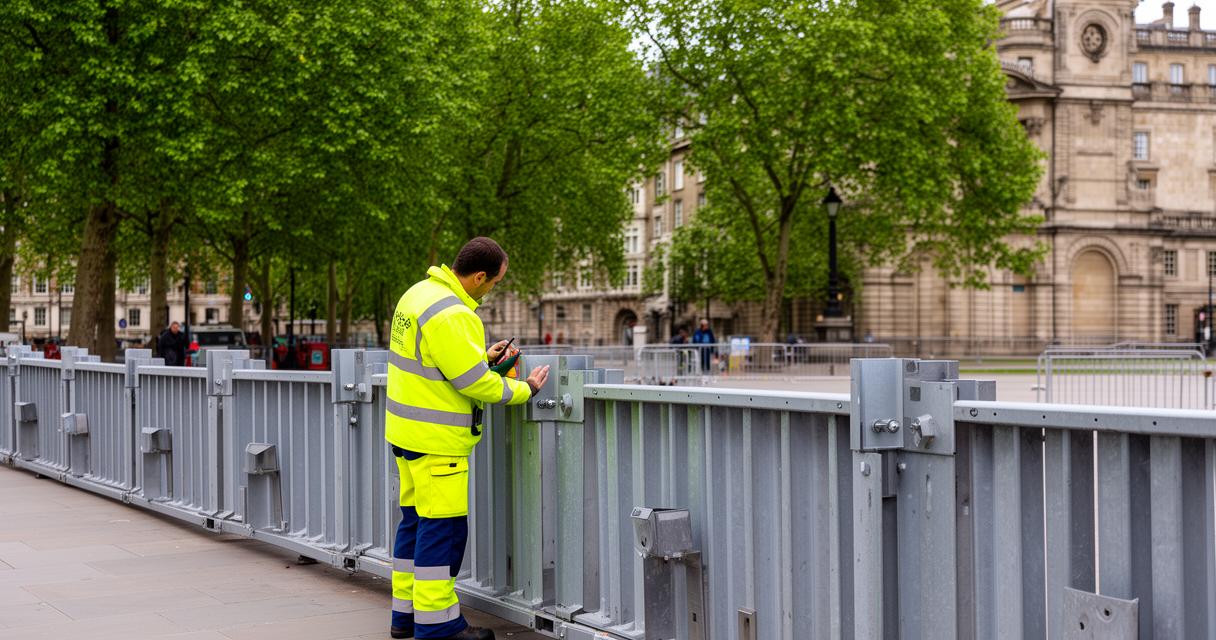
The range of environments that benefit from effective barrier solutions is remarkably broad. In urban settings, pedestrian barriers guide crowds during events and prevent people from stepping into busy roads. On construction sites, hoarding and crowd control barriers protect passers-by from debris, noise and the general hazards associated with building work. Meanwhile, in leisure and retail environments, barriers help manage queues, define entry and exit points, and maintain an orderly flow of visitors.
Hospitals and schools represent particularly sensitive locations where access control is paramount. Here, barriers contribute to safeguarding vulnerable individuals, ensuring that only authorised persons can enter certain areas. The careful placement of appropriate barriers in these settings reflects a broader commitment to duty of care that all public site managers must uphold.
Choosing the Right Safety Barriers for UK Public Sites
Types of Safety Barriers and Their Specific Applications
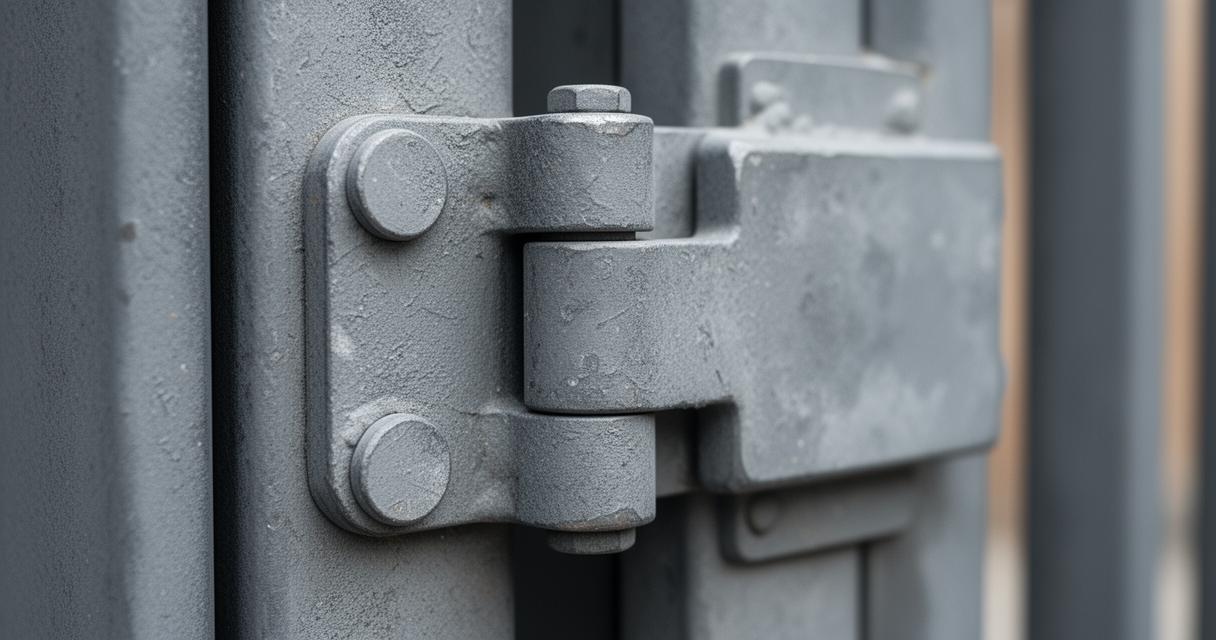
The market offers a wide variety of barrier types, each suited to different operational requirements. Crowd control barriers, often seen at concerts and public gatherings, are designed for rapid deployment and easy repositioning. Water-filled barriers provide a heavier, more robust solution for traffic management on roads and motorways, absorbing impact in the event of a collision. Rigid steel and concrete barriers offer long-term perimeter security at permanent installations, whilst retractable belt barriers suit indoor environments such as museums, airports and banks.
Selecting the most appropriate barrier type requires a clear understanding of the specific risks present at each location. A barrier that performs well in a controlled indoor environment may prove wholly inadequate when exposed to the demands of an outdoor, high-traffic site. Matching the barrier’s structural integrity and visibility to the conditions it will face is therefore a fundamental part of any safety planning process.
Factors to Consider When Installing Barriers at Public Locations
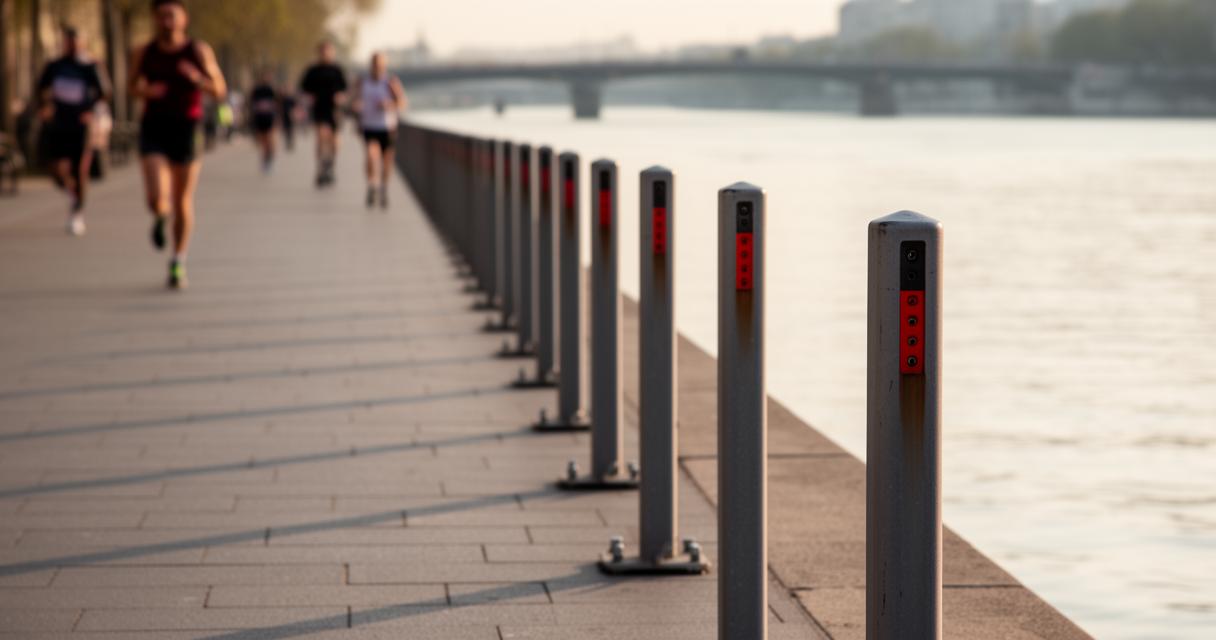
Effective barrier installation goes well beyond simply placing a physical object in a given spot. Site managers must consider a range of factors, including the volume and type of traffic expected, the duration of the installation, and the potential impact on pedestrian accessibility. Ensuring that barriers do not inadvertently create new hazards (such as narrow pinch points that could cause crowding) is just as important as addressing the original risk.
Compliance with relevant UK regulations and guidance is a further essential consideration. Health and safety legislation places a clear duty on those responsible for public sites to manage risks appropriately, and barrier selection forms a key part of fulfilling that obligation. Regular inspection and maintenance of barriers already in place is equally important, as even the most robust solution can degrade over time and lose its effectiveness if not properly looked after. Ultimately, investing in quality barriers and maintaining them diligently reflects a genuine commitment to the safety and wellbeing of everyone who uses a public space.