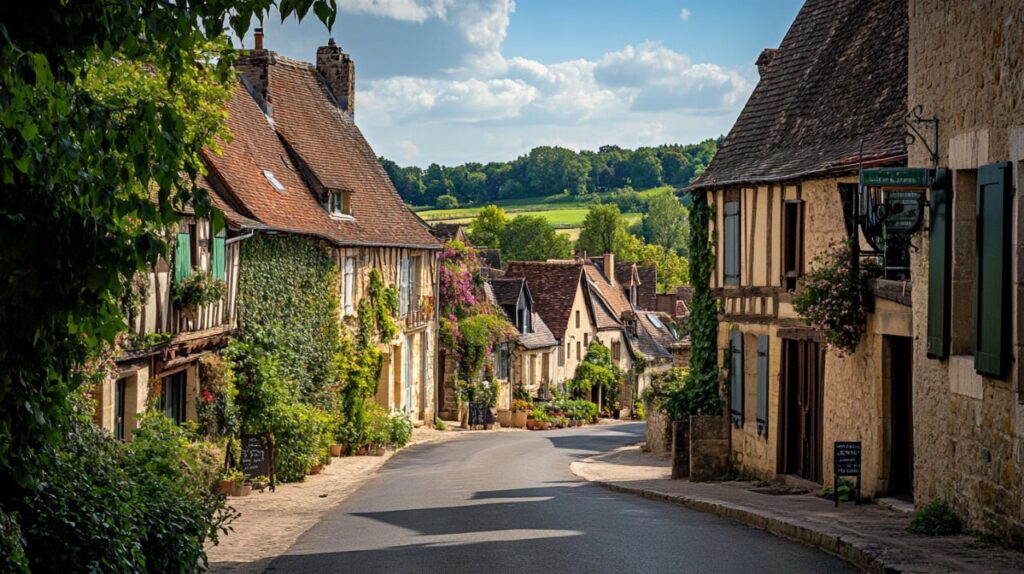
Nestled in the heart of Normandy's rolling countryside, Cambremer serves as a gateway to some of the most enchanting landscapes and heritage sites in the Pays d'Auge. This charming commune invites visitors and residents alike to explore its medieval stone churches, winding cycle routes, and vibrant local traditions that have shaped the region for centuries. Whether you are drawn by the prospect of pedalling through orchards heavy with apples destined for cider and calvados, or eager to trace the footsteps of pilgrims and artists through ancient religious sites, Cambremer offers a rich tapestry of experiences that celebrate both the sacred and the secular.
Pedalling through sacred stone: cambremer's historic churches and religious heritage
Medieval Church Architecture: From Saint-Ouen to the Abbey Relics of the Auge Valley
The stone churches dotting the landscape around Cambremer stand as enduring testaments to centuries of devotion and craftsmanship. The Church of Saint Denis, for instance, commands attention with its twelfth-century Romanesque tower, a structure that has witnessed the passage of countless generations. Its solid stonework and simple yet powerful design reflect the architectural sensibilities of medieval Normandy, where religious buildings were constructed not merely as places of worship but as symbols of communal identity and spiritual refuge. Visitors who pause at the threshold of such buildings often find themselves stepping back in time, their imaginations kindled by the thought of pilgrims who once sought solace within these walls.
Beyond the immediate surroundings of Cambremer, the Auge Valley is home to numerous abbeys and parish churches that hold relics and artworks of significant historical value. These sites, many of which have undergone restoration efforts led by local councils, reveal layers of history etched into their stonework and wooden beams. The delicate balance between preservation and adaptation has been a priority for municipal authorities, who recognise that maintaining these structures is essential not only for heritage conservation but also for fostering a sense of continuity in the life of the commune. The efforts to restore these buildings have often involved collaboration between architects, historians, and local artisans, ensuring that traditional techniques are honoured while modern safety standards are met.
As cyclists navigate the scenic routes connecting Cambremer to neighbouring villages such as Livarot and Mezidon, they encounter a procession of religious sites that punctuate the landscape like beads on a rosary. Each church tells its own story, whether through the intricate carvings adorning its entrance, the weathered gravestones in its courtyard, or the faint echoes of hymns that seem to linger in the air. The experience of cycling through this sacred geography offers a unique perspective on the interplay between faith, architecture, and the natural environment, inviting contemplation on how these elements have shaped the cultural identity of the region over the centuries.
The easter festival and spiritual life: how cambremer's religious calendar shapes local traditions
The rhythm of life in Cambremer is intimately tied to the religious calendar, with Easter standing out as one of the most significant periods of the year. During this time, the village comes alive with a series of events that blend spiritual observance with communal celebration. Traditional markets are held on Sunday mornings, drawing locals and visitors who gather to exchange news, purchase fresh produce, and enjoy the festive atmosphere. These markets, which also take place at Pentecost and throughout July and August, serve as important social hubs where the bonds of community are reinforced through shared rituals and friendly conversation.
Easter egg hunts have become a cherished tradition in the agglomeration, offering families a chance to participate in activities that combine playfulness with the deeper themes of renewal and rebirth associated with the season. Children scour gardens and open spaces in search of brightly coloured eggs, their laughter mingling with the chime of church bells that call the faithful to morning services. For many residents, these hunts are not merely a diversion but a way of connecting with the rhythms of the agricultural year, as the arrival of spring heralds new growth in the orchards and fields that define the Pays d'Auge landscape.
The spiritual life of the commune extends beyond these public celebrations to encompass a quieter, more personal dimension. Many locals maintain daily routines that include moments of prayer or reflection, often within the walls of the village church or in the tranquil surroundings of their homes. The presence of figures such as Saint Therese, whose basilica in Lisieux draws pilgrims from across the world, underscores the enduring importance of faith in this corner of Normandy. The connection between Cambremer and Lisieux is not merely geographical but spiritual, as many residents make regular journeys to the basilica to seek inspiration and solace. This interplay between local and regional devotion enriches the cultural fabric of the area, reminding all who visit that the heritage of the Pays d'Auge is as much about lived experience as it is about monuments and artefacts.
Discovering the Commune's Cultural Heartbeat: From Town Hall Services to Media Libraries and Artist Spaces
Municipal Council Initiatives: Restoration Projects and the Restructuring of Community Spaces
The municipal council of Cambremer has been at the forefront of efforts to preserve and enhance the commune's cultural heritage while ensuring that modern amenities meet the needs of residents. Restoration projects have been a particular focus, with significant resources allocated to the refurbishment of historic buildings and the restructuring of public spaces. These initiatives are not simply about maintaining appearances but about creating environments where people can gather, learn, and engage with one another in meaningful ways. The town hall itself has been the subject of recent upgrades, with improvements made to its administrative offices and public reception areas to better serve the community.
One of the most ambitious projects undertaken in recent years has been the restoration of several half-timbered buildings that form part of the village's architectural heritage. These structures, some of which date back several centuries, require careful attention to detail and a deep understanding of traditional construction methods. The council has worked closely with heritage specialists to ensure that the work respects the original character of the buildings while addressing issues such as structural stability and energy efficiency. The result is a harmonious blend of old and new, where the charm of historic Normandy is preserved without sacrificing the practicalities of contemporary life.
In addition to physical restoration, the council has also invested in the development of cultural facilities such as media libraries and artist spaces. These venues provide residents with access to a wide range of resources, from books and digital media to workshops and exhibitions that showcase the work of local and regional artists. The establishment of these spaces reflects a commitment to fostering creativity and learning within the community, recognising that cultural vitality is as important as economic prosperity. By supporting initiatives that bring people together and encourage the exchange of ideas, the municipal council is helping to ensure that Cambremer remains a vibrant and dynamic place to live.
Carmen Gouesmel and Local Artists: Celebrating Creativity in the Surroundings of Livarot and Mezidon
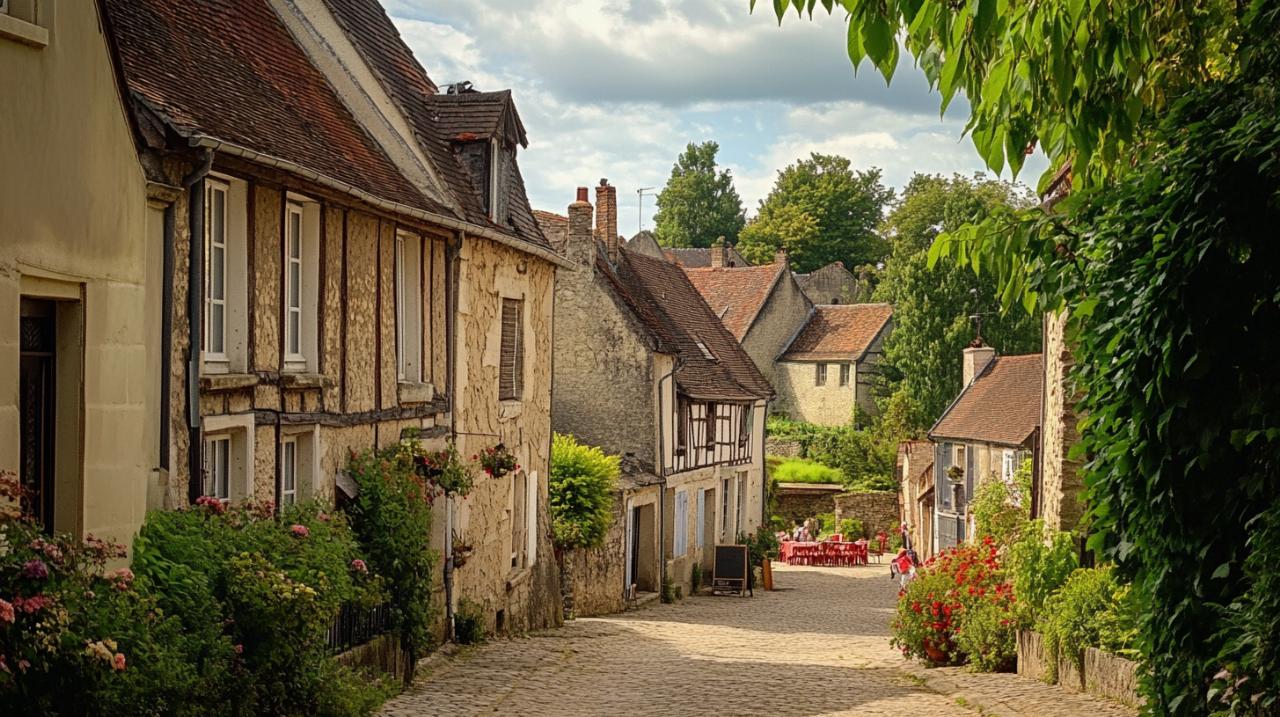
The artistic community in and around Cambremer has flourished in recent years, thanks in part to the efforts of individuals such as Carmen Gouesmel, whose work has brought attention to the creative potential of the region. Gouesmel, along with other local artists, has been instrumental in organising exhibitions and events that highlight the diverse talents present in the surroundings of Livarot and Mezidon. These gatherings provide a platform for painters, sculptors, photographers, and writers to share their work with a broader audience, fostering a sense of pride and connection within the artistic community.
The studios and galleries that have sprung up in the area often occupy converted agricultural buildings or historic houses, giving them a distinctive character that reflects the rural heritage of the Pays d'Auge. Visitors to these spaces are frequently struck by the way in which the artists draw inspiration from their surroundings, whether through landscapes that capture the play of light on apple orchards or abstract works that explore themes of memory and place. The interplay between the natural environment and creative expression is a defining feature of the local art scene, one that resonates deeply with those who value authenticity and a sense of rootedness.
Collaboration between artists and the municipal council has led to the creation of public art installations and cultural events that enrich the daily life of the commune. These projects often involve workshops and open studio sessions, where residents can engage directly with the creative process and gain insight into the techniques and inspirations that drive the work of local artists. Such initiatives not only enhance the cultural landscape of Cambremer but also contribute to a sense of shared ownership and pride in the commune's artistic achievements. The presence of a thriving artistic community serves as a reminder that heritage is not solely about preserving the past but also about nurturing the creativity and innovation that will shape the future.
Cycling the Auge Country Routes: From Cambremer to Lisieux and the AOC Landscapes of Normandy
Following the Line from Caen to Calvados: A Week of Cycling Through France's Stone-Built Heritage
For those who seek to explore Normandy on two wheels, the routes that wind through the Pays d'Auge offer an unparalleled opportunity to experience the region's natural beauty and architectural heritage. Starting from Cambremer, cyclists can embark on a journey that takes them through picturesque villages, past ancient churches, and along roads lined with orchards producing some of the finest AOC products in France. The landscape is characterised by gentle hills and sweeping vistas, with stone-built farmhouses and manor houses dotting the countryside like scattered jewels. Each turn in the road reveals a new scene, whether it is a field of grazing cattle, a meandering stream, or a cluster of timber-framed buildings that seem to belong to another era.
A popular route begins with a cycle from Cambremer to Lisieux, a distance that allows riders to appreciate the gradual transition from rural tranquillity to the bustling life of a larger town. Along the way, there are numerous opportunities to stop at cider farms and distilleries, where visitors can learn about the traditional methods used to produce calvados, pommeau, and other regional specialities. The Pierre Huet estate, for instance, has been crafting these products since 1865 and operates an innovative distillery powered by wood chips, demonstrating a commitment to both tradition and sustainability. Tasting sessions at such venues provide a sensory connection to the land, as the flavours of the drinks evoke the orchards and soil from which they originate.
The Basilica of Saint Therese in Lisieux is a highlight for many cyclists, not only for its spiritual significance but also for its striking architectural presence. As the second largest Christian building constructed in the twentieth century, the basilica commands attention with its soaring domes and intricate mosaics. Visitors who take the time to explore the interior are often moved by the sense of reverence and devotion that permeates the space, a testament to the enduring legacy of the saint who inspired its creation. The journey from Cambremer to Lisieux thus becomes more than a mere physical exercise; it is an exploration of the layers of history and faith that have shaped this corner of Normandy, offering insights into the lives of those who have called it home across the centuries.
Easter Egg Hunts and Spring Celebrations: Life in the Agglomeration During Avr and Mar
As the days lengthen and the first signs of spring emerge, the agglomeration around Cambremer becomes a hive of activity, with preparations underway for the Easter celebrations that mark this time of year. The months of March and April are particularly lively, as residents organise egg hunts, markets, and festivals that bring the community together in shared celebration. These events are eagerly anticipated by families, who see them as an opportunity to enjoy the outdoors and participate in traditions that have been passed down through generations. The hunts themselves are often held in the gardens and parks that grace the village, with children racing to discover hidden treasures while parents look on with indulgent smiles.
The festive atmosphere extends beyond the egg hunts to encompass a range of cultural and culinary activities. Local producers set up stalls at markets, offering everything from freshly baked bread and pastries to cheeses and cured meats that showcase the bounty of the region. The festival of AOC and AOP products, held on the first weekend in May, is a particular highlight, drawing over ten thousand visitors who come to sample and purchase the finest examples of Norman craftsmanship. This event, which has been running for twenty-five years, serves as a celebration of regional identity and a testament to the skills and dedication of local artisans.
For cyclists, the spring months offer ideal conditions for exploring the routes that connect Cambremer to its neighbours. The roads, though shared with other users, are less congested than in the height of summer, allowing for a more leisurely and contemplative pace. Riders who venture out during this season are treated to the sight of orchards in bloom, with clouds of white and pink blossoms transforming the landscape into a scene of ethereal beauty. The experience of cycling through this environment, with the scent of apple blossoms carried on the breeze and the sound of birdsong filling the air, is one that lingers in the memory long after the journey has ended. It is a reminder of the simple pleasures that define life in the Pays d'Auge, where the rhythms of nature and the cycles of the agricultural year continue to shape the daily lives of residents and visitors alike.